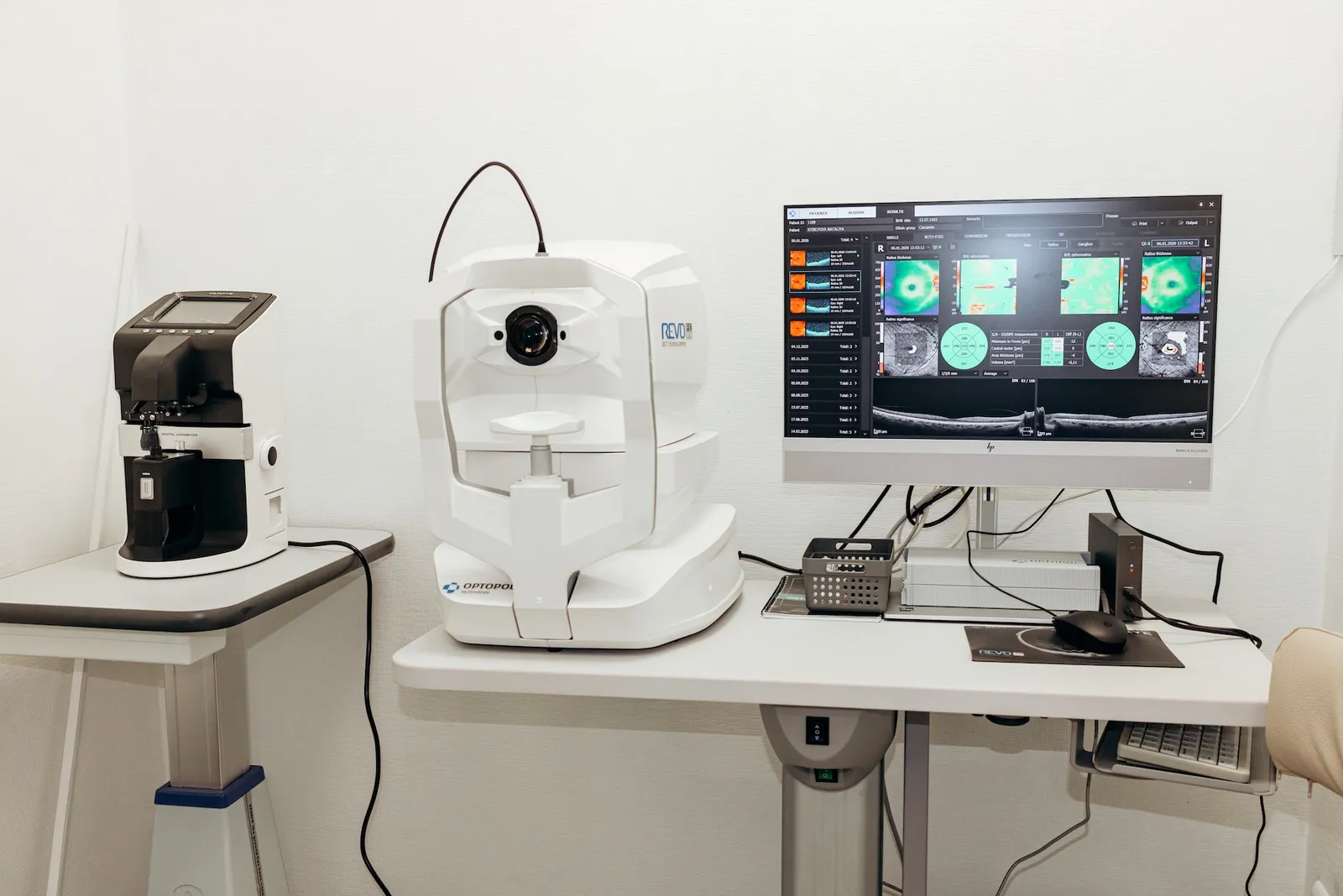
Conservative Treatment
Conservative treatment is a comprehensive approach aimed at stabilizing and improving visual functions without surgical intervention. The methods are based on evidence-based medicine and are used for a wide range of ophthalmic conditions—from inflammatory processes to dystrophies and optic nerve pathologies.
When It Is Indicated
- hereditary and congenital dystrophic retinal diseases;
- glaucoma with compensated intraocular pressure;
- myopia, hyperopia, amblyopia, strabismus;
- macular degeneration, vascular disorders of the retina and optic nerve;
- inflammatory processes: conjunctivitis, keratitis, uveitis, neuritis;
- vitreous body pathologies, postoperative conditions, and increased visual strain.
How Treatment Is Performed
- a detailed initial examination and assessment of complaints;
- high-precision diagnostics: assessment of retinal function, optic nerve condition, and blood circulation;
- selection of medication therapy according to the clinical condition;
- use of device-based methods: laser stimulation, physiotherapy, special exercises;
- ongoing monitoring of results and adjustment of the treatment plan as needed.
Our Approach
- individual therapy programs with consideration of comorbidities;
- use of modern device technologies and evidence-based methods;
- a team of ophthalmologists experienced in treating complex conditions;
- comprehensive diagnostics before starting therapy and follow-up monitoring;
- effective combination of medication, physiotherapy, and hardware-based methods.
Treatment of Traumatic Injuries
Eye injuries can affect the cornea, conjunctiva, eyelids, vitreous body, or internal structures of the eye. Even seemingly minor damage can cause inflammation, infectious complications, or vision deterioration. Timely conservative treatment helps stabilize the condition and prevent the progression of pathological changes.
When You Should Seek Care
- a blow, scratch, or penetration of a foreign body;
- sudden pain, tearing, stinging, or a “gritty/sandy” sensation in the eye;
- redness, swelling, or the appearance of hemorrhages on the conjunctiva or cornea;
- decreased visual acuity after an injury, “haze,” or double vision;
- photophobia and inability to fully open the eye.
What Treatment Includes
- antibacterial agents to prevent infectious complications;
- anti-inflammatory medications to reduce swelling and pain;
- epithelializing and regenerative drops to restore the cornea;
- monitoring and correction of intraocular pressure when there is a risk of elevation;
- bandages, protective lenses, or temporary limitation of visual/physical strain;
- regular follow-up to assess healing and prevent scarring changes.
Why It Matters
- even minor injuries may cause keratitis, corneal erosion, or uveitis;
- deeper injuries increase the risk of secondary glaucoma or infections;
- delayed treatment may lead to scarring and reduced corneal transparency;
- timely therapy helps preserve visual function and prevents complications.
An ophthalmologist’s examination after any eye injury is a critically important step to preserve vision and prevent serious complications.

Treatment of Diabetic and Neurological Complications
Diabetes mellitus and neurological diseases often cause impaired nutrition of the retina and optic nerve. They may lead to hemorrhages, macular edema, progressive loss of visual clarity, and reduced conductivity of nerve fibers. Conservative treatment is aimed at stabilizing these processes and preventing complications.
Main indications:
- diabetic retinopathy at early and moderate stages;
- macular edema associated with diabetes or vascular disorders;
- ischemic changes of the optic nerve and reduced nerve conduction;
- microcirculatory disorders in neurological conditions (stroke, neuropathies);
- reduced visual acuity without obvious primary ophthalmic causes.
What the therapy includes:
- vascular and metabolic medications to improve retinal nutrition;
- antioxidant and neuroprotective agents to support optic nerve function;
- therapy to improve microcirculation and reduce ischemia;
- monitoring and correction of intraocular pressure when there is a risk of elevation;
- regular monitoring: macular OCT, fundus examination, assessment of visual functions.
Why it is important:
- diabetic changes may remain asymptomatic for a long time;
- vascular insufficiency worsens the nutrition of the retina and optic nerve;
- without control, edema may progress and central vision may deteriorate;
- timely therapy slows structural changes and reduces the risk of irreversible vision loss.
A comprehensive approach helps slow damage to ocular structures and preserve functional vision even in chronic systemic diseases.
Therapy for Acute and Chronic Inflammatory Eye Diseases
Inflammatory eye conditions can begin suddenly or have a long-term course, gradually worsening vision. This group includes conjunctivitis, uveitis, keratitis, corneal ulcers, blepharitis, and dry eye syndrome. Timely conservative treatment helps eliminate infection, reduce inflammation, and prevent complications that may lead to persistent vision loss.
Indications for treatment:
- viral, bacterial, and allergic conjunctivitis;
- keratitis and keratoconjunctivitis of various origins;
- uveitis (anterior, intermediate, posterior);
- ulcerative corneal lesions;
- blepharitis and meibomian gland inflammation (meibomitis);
- dry eye syndrome and “red eye”;
- recurrent infectious or inflammatory processes that do not resolve on their own.
Key therapy methods:
- antibacterial, antiviral, antifungal, or antiparasitic treatment—depending on the etiology;
- anti-inflammatory agents (nonsteroidal or steroid—when indicated);
- mydriatics and immunosuppressive therapy for uveitis when appropriate;
- regenerative and lubricating drops to restore the cornea and tear film;
- medications to reduce edema, pain, and irritation;
- hygienic and warm compress procedures for blepharitis/meibomian gland dysfunction;
- dynamic follow-up, including OCT, biomicroscopy, and fundus examination.
When to seek care immediately:
- sharp eye pain or pronounced photophobia;
- redness, swelling, and excessive tearing;
- a gritty or foreign-body sensation;
- blurred vision or sudden vision loss;
- suspected corneal ulcer or progressive keratitis.
Early consultation with an ophthalmologist and properly selected therapy help relieve inflammation quickly, restore comfort, and minimize the risk of dangerous complications.
Need an ophthalmologist’s help?
Clear answers. Trusted support. Entrust your vision to experts.