Eye Diseases
A comprehensive approach to diagnosing and managing common ophthalmic conditions.
Indications
- Reduced vision at near or far distances.
- Dryness, discomfort, redness, or a foreign body sensation.
- Suspected glaucoma, cataract, astigmatism, hyperopia, or other refractive disorders.
What to Expect
- Initial consultation with a review of symptoms and medical history.
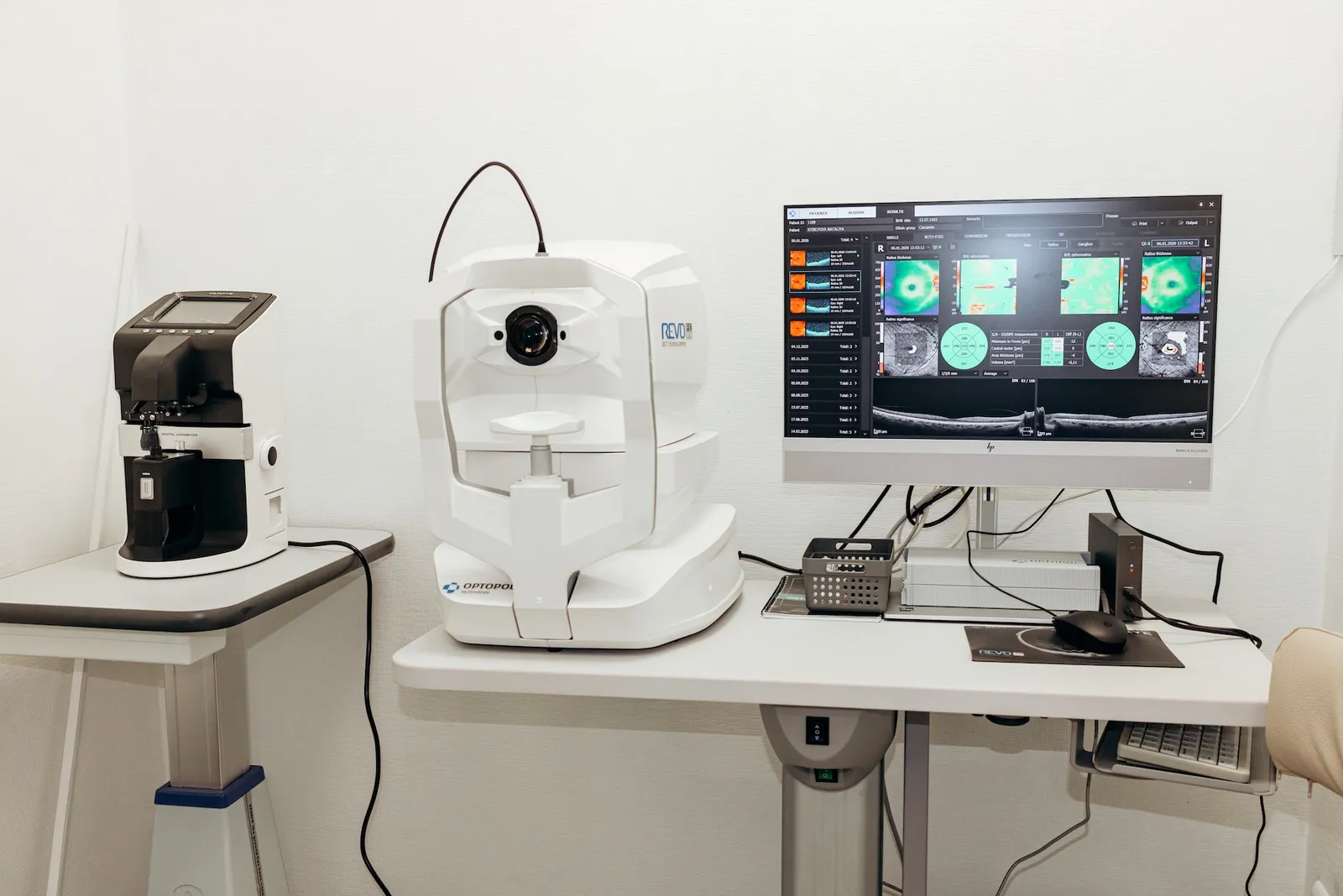
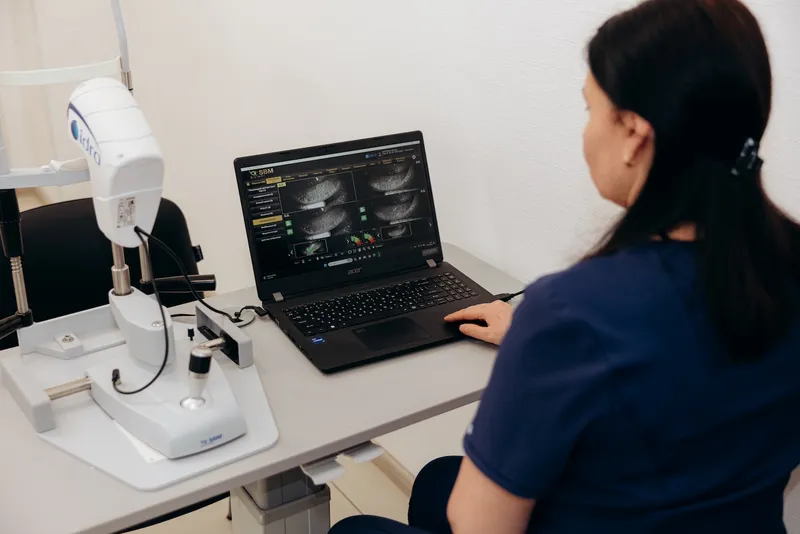
- Comprehensive diagnostics: refractometry, fundoscopy, intraocular pressure measurement, OCT if necessary.
- Identifying the cause of symptoms and developing a personalized treatment plan.
Why Patients Choose Us
- Modern diagnostic equipment enabling early detection of subtle changes.
- Experienced ophthalmologists with subspecialty expertise.
- A comprehensive approach — from screening and treatment to follow-up care.
- Comfortable appointments and clear communication with each patient.
Dry Eye Syndrome
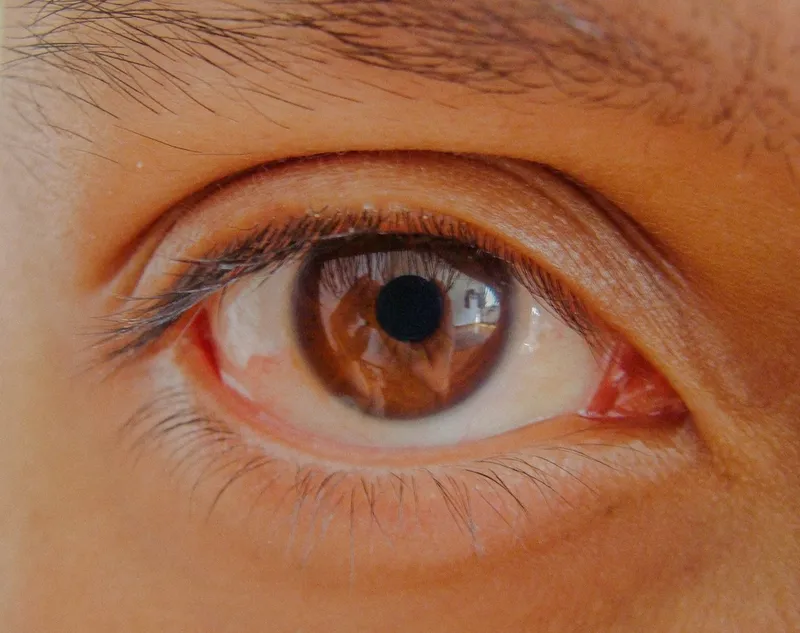
Dry eye syndrome is a chronic condition in which the ocular surface does not receive adequate lubrication due to reduced tear production or poor tear film quality. This leads to discomfort, irritation, and reduced visual clarity. Early diagnosis is essential, as untreated dry eye may progress and significantly affect daily comfort and visual performance.
Causes:
- insufficient tear production (hyposecretory type);
- excessive tear evaporation due to meibomian gland dysfunction;
- prolonged screen use and reduced blinking;
- contact lens wear;
- hormonal changes, particularly during menopause;
- systemic diseases (Sjögren’s syndrome, endocrine disorders);
- exposure to conditioned air, dry climate, or wind.
Main symptoms:
- feeling of dryness, grittiness, or burning in the eyes;
- fluctuating vision throughout the day ("blurriness");
- increased sensitivity to light;
- redness and irritation;
- excessive tearing as a compensatory response;
- eye fatigue during reading or digital work.
Modern treatment options:
- lubricating eye drops (artificial tears) tailored to severity;
- treatment of meibomian gland dysfunction (warm compresses, eyelid hygiene, device-assisted therapies);
- anti-inflammatory therapy for pronounced ocular surface inflammation;
- workplace optimization: the 20–20–20 rule, conscious blinking, humidifying air;
- management of systemic factors and coexisting ocular conditions;
- specialized tear substitutes for extended screen use or contact lens wear.
Timely examination helps identify the type of dry eye syndrome and select the most effective, personalized treatment.
Glaucoma
Glaucoma is a chronic eye disease in which elevated intraocular pressure gradually damages the optic nerve. Peripheral vision narrows first, and without treatment, irreversible vision loss may occur.
Symptoms that require attention:
- heaviness in the eyes, occasional pain or discomfort;
- narrowing of the visual field, blurriness, or a hazy "mesh" effect;
- rainbow halos around lights;
- reduced vision in the evening or at night;
- eye redness, moisture, or mild periocular pain.
Main forms of glaucoma:
- open-angle — the most common type, progressing silently and causing gradual peripheral vision loss;
- angle-closure — accompanied by pain, sudden vision deterioration, and may trigger acute attacks.
Treatment:
- control and normalization of intraocular pressure;
- individualized medication therapy based on diagnostic findings;
- surgical treatment when progression risk is high or eye drops are ineffective; often combined with cataract extraction when indicated.
Glaucoma in children:
- most often congenital or infantile in origin;
- frequently asymptomatic and affecting both eyes;
- requires a combination of medical, surgical, and functional treatment;
- regular follow-up is essential — monitoring cornea, limbus, intraocular pressure, and visual functions.
Early glaucoma detection greatly increases the chances of preserving visual function and slowing disease progression.
Cataract
A cataract is a progressive clouding of the natural lens that causes gradual vision decline. Patients often describe their vision as blurred or foggy, making everyday activities more challenging.
Why cataracts develop:
- age-related biochemical changes of the lens;
- eye injuries or radiation exposure;
- congenital cataracts;
- endocrine or metabolic disorders;
- certain eye diseases;
- long-term use of specific medications;
- vitamin deficiency, smoking, and environmental stressors.
Key symptoms:
- gradual decrease in visual acuity;
- double vision or distorted lines;
- foggy or blurred images;
- difficulty reading or performing near tasks;
- reduced contrast and color clarity;
- poor vision in low-light conditions.
Why treatment is necessary:
- the condition steadily progresses;
- glasses or lenses cannot restore lens transparency;
- cataracts significantly reduce quality of life and independence;
- without treatment, they may cause secondary glaucoma or irreversible eye changes.
Modern cataract treatment:
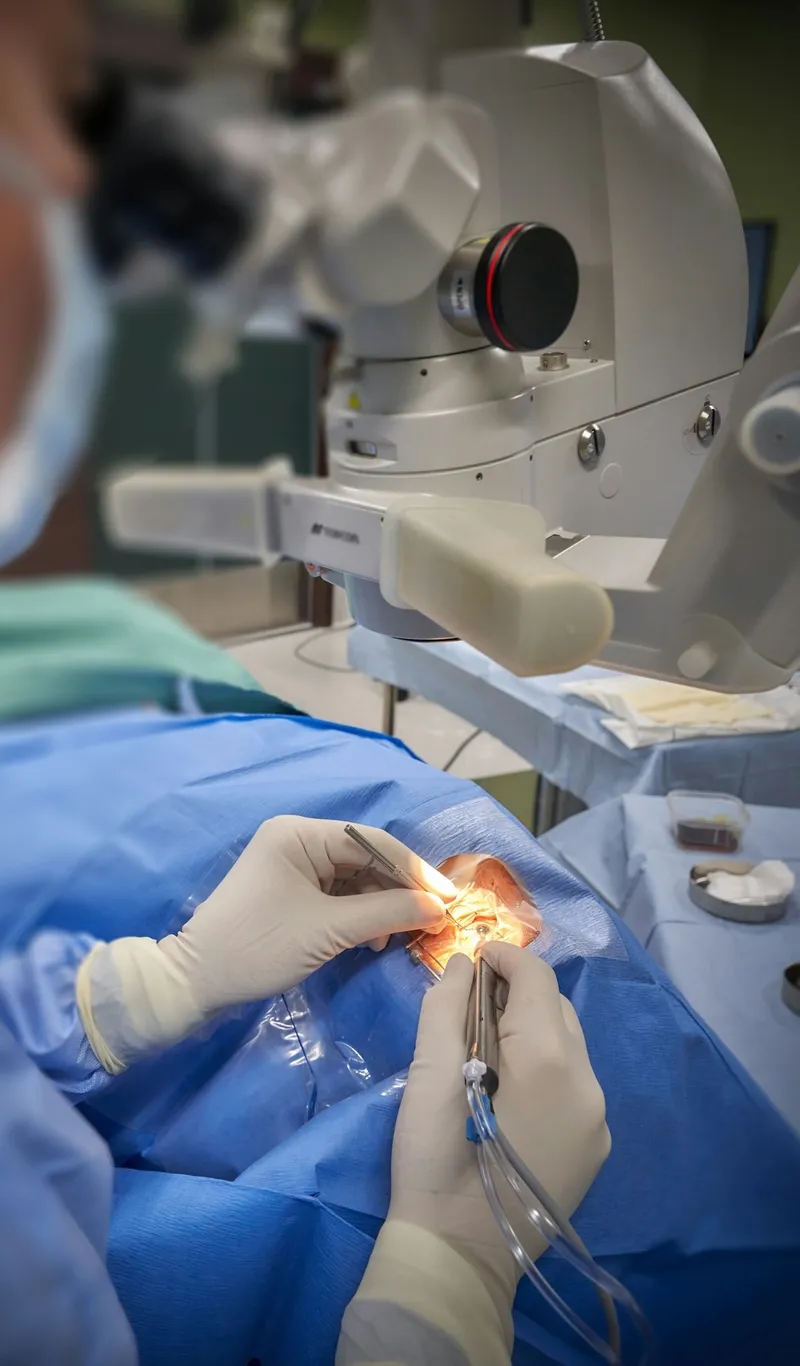
- the only effective method is surgical removal of the cloudy lens and implantation of an intraocular lens (IOL);
- medications cannot restore transparency;
- laser-assisted surgery ensures precision, safety, and rapid recovery;
- the procedure is performed on a day-surgery basis, without hospital stay.
Lens replacement:
- various IOL types are selected based on individual needs;
- the microsurgical procedure is quick and requires minimal rehabilitation;
- postoperative care includes regular follow-up with an ophthalmologist;
- suitable for different cataract types, including traumatic and congenital.
Cataract surgery is a reliable way to restore lens transparency and visual comfort.
Astigmatism
Astigmatism is a refractive error caused by irregular curvature of the cornea or lens, preventing light from focusing correctly on the retina. This results in blurred or distorted vision in both children and adults.
Types and causes of astigmatism:
- congenital or acquired after trauma, inflammation, or surgery;
- corneal astigmatism (most common) and lenticular astigmatism;
- with-the-rule and against-the-rule, depending on the strongest refractive meridian;
- myopic, hyperopic, simple, compound, and mixed types;
- by degree: mild, moderate, high; physiological astigmatism up to 0.5 D is normal.
Why timely evaluation matters:
- may lead to strabismus or progressive visual decline;
- causes headaches, eye strain, and visual discomfort;
- correction is effective and requires no major restrictions — early diagnosis is recommended.
Astigmatism symptoms:
- blurred or "out-of-focus" vision;
- distorted lines and unclear contours;
- eye fatigue, strain, photophobia;
- headaches and poor twilight vision;
- in children, symptoms may be unnoticed — preventive exams are essential.
Treatment options:
- conservative correction: eyeglasses with cylindrical lenses or toric contact lenses;
- laser correction (for myopic and hyperopic astigmatism up to 3–4 D): reshaping the cornea with a personalized protocol;
- laser procedures are outpatient, safe, and ensure rapid recovery;
- glasses and lenses correct symptoms but do not change corneal structure; laser is the only method that permanently reshapes the eye’s optics.
Astigmatism requires accurate diagnostics and individually tailored correction to maintain clear and comfortable vision.
Hyperopia (Farsightedness)
Hyperopia is a refractive condition in which images focus behind the retina. This causes difficulty with near tasks while distant objects remain clearer. It may occur in children and adults, and tends to increase with age due to reduced lens elasticity.
Symptoms of hyperopia:
- blurred vision during reading or near tasks;
- eye strain and rapid fatigue;
- headaches after visual work;
- the need to hold objects further away to focus;
- stinging, discomfort, or a gritty sensation.
Degrees of hyperopia:
- mild — up to +2.0 D;
- moderate — +2.25 to +4.0 D;
- high — above +4.25 D.
Hyperopia in children:
- mild hyperopia in infants is physiologically normal;
- excessive hyperopia requires correction to prevent strabismus and amblyopia;
- regular eye exams every 6–12 months are recommended.
Correction methods:
- glasses or contact lenses to compensate for refractive error;
- laser correction using LASIK, Super LASIK, or LASEK (when indicated);
- the choice of method depends on age, lifestyle, and ocular health.
Early diagnosis and proper correction help maintain clear and comfortable vision at any distance.
Optic Nerve Disorders
The optic nerve transmits visual information from the eye to the brain. Its damage — including optic atrophy, neuritis, or tumor-related processes — leads to progressive or sudden vision loss and impaired neural conduction.
Main conditions:
- optic nerve atrophy — gradual degeneration of nerve fibers;
- optic neuritis — inflammation caused by infections, vascular disorders, or toxic effects;
- glioma — a benign tumor, more common in children, which may progress and require treatment.
Symptoms of optic nerve damage:
- sudden or gradual vision loss;
- floaters or haziness;
- visual field narrowing and missing areas of vision;
- orbital pain, headache, or migraine;
- impaired color perception.
Treatment approach:
- comprehensive diagnostics to determine the underlying cause;
- medical therapy: antibiotics, anti-inflammatory agents, corticosteroids — depending on etiology;
- management of intracranial pressure when required;
- supportive and neuroprotective therapy to improve nerve function;
- physiotherapy or surgical intervention in cases of tumor involvement or partial atrophy.
Optic nerve disorders require timely diagnosis and personalized treatment, as progression may significantly diminish vision.
Need an ophthalmologist’s help?
Clear answers. Trusted support. Entrust your vision to experts.