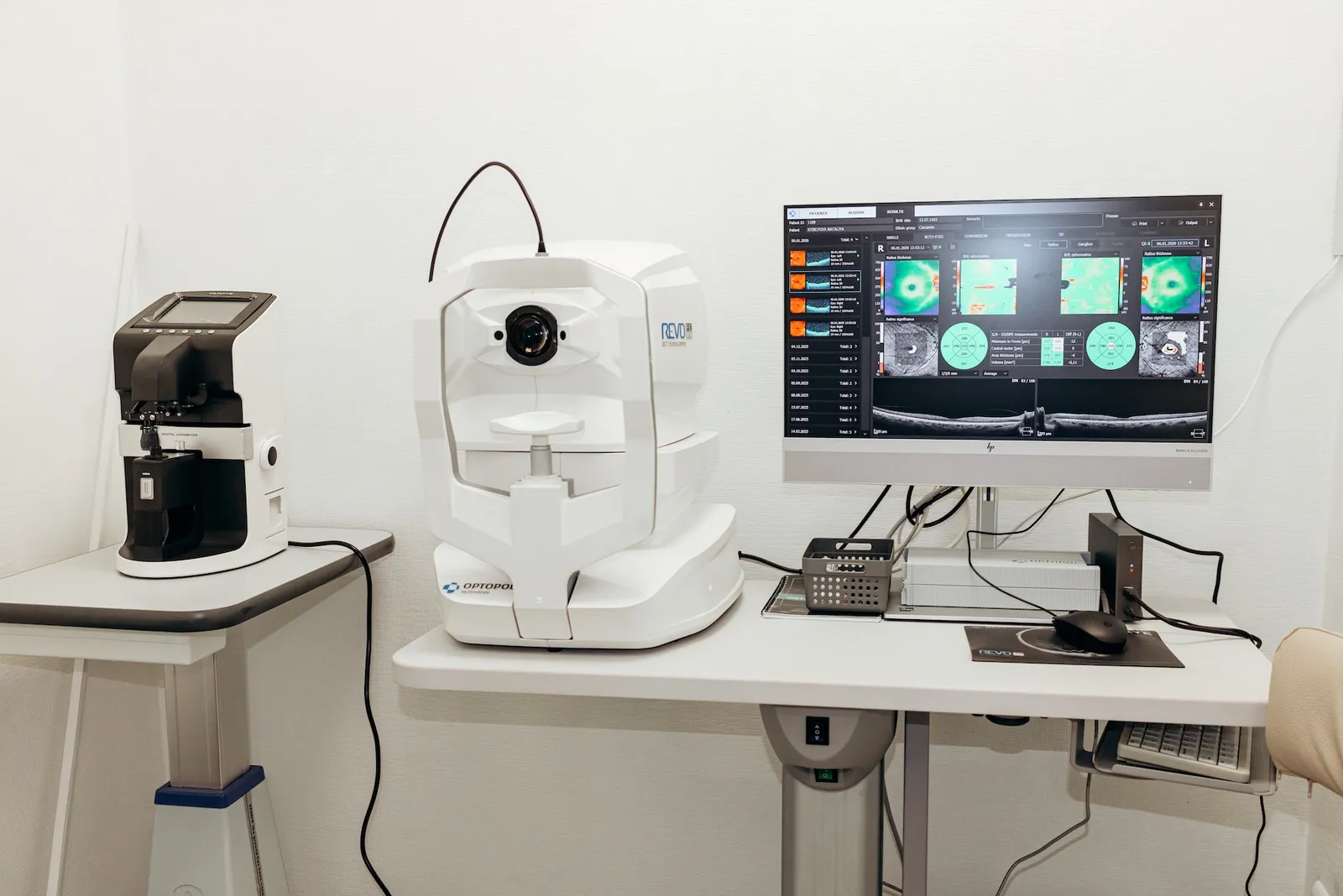
Laser Treatment
Laser treatment methods make it possible to painlessly, precisely, and safely eliminate a wide range of ophthalmic pathologies on an outpatient basis. With high-precision equipment and individually selected laser parameters, treatment ensures stable, predictable results with minimal recovery time.
Indications
- Myopia, hyperopia, and astigmatism.
- Glaucoma and elevated intraocular pressure.
- Dystrophic changes, retinal tears, and thinning.
- Diabetic retinopathy and risk of retinal detachment.
- Chronic inflammatory eyelid changes and meibomian gland dysfunction.
How Treatment Works
- Comprehensive diagnostics: OCT, fundus examination, tonometry, keratotopography.
- Accurate determination of indications and formation of an individualized treatment plan.
- Laser procedure performed under topical anesthesia—painless and without hospitalization.
- Procedure duration 10–15 minutes, with post-treatment doctor supervision.
- Rapid recovery without significant restrictions.
Our Advantages
- High-precision, expert-grade laser equipment.
- Maximum safety and minimal invasiveness.
- Eye-tracking system for perfect accuracy during the procedure.
- Experienced ophthalmic surgeons and proven techniques (LASIK, Super LASIK, LASEK).
- Comprehensive care—from diagnostics to dynamic follow-up.
Laser Treatment for Glaucoma
Laser procedures effectively reduce intraocular pressure, improve aqueous humor outflow, and slow the progression of glaucomatous neuropathy. Treatments are performed on an outpatient basis, with minimal discomfort and no long recovery period.
Indications
- Open-angle and angle-closure glaucoma at various stages;
- Elevated intraocular pressure resistant to medication;
- Narrowing or blockage of the anterior chamber angle;
- Risk of glaucoma progression and visual function deterioration.
Laser Treatment Methods
- Laser trabeculoplasty — improves aqueous humor outflow through the trabecular meshwork;
- Laser iridotomy — creates a new drainage pathway in cases of narrow or blocked angle;
- Selective laser trabeculoplasty (SLT) — a gentle, precise method that can be repeated if needed;
- Transscleral diode laser cyclophotocoagulation — used for severe or painful glaucoma to stabilize pressure.
Advantages of Treatment in Our Clinic
- Use of advanced, high-precision laser technology;
- Safety — non-incisional, minimally traumatic procedure;
- Outpatient treatment and quick return to normal life;
- Thorough diagnostics before the procedure (exam, tonometry, OCT);
- Individual selection of technique based on eye structure and disease stage.
Laser therapy is an effective step in glaucoma management and helps preserve visual function even as the disease progresses.
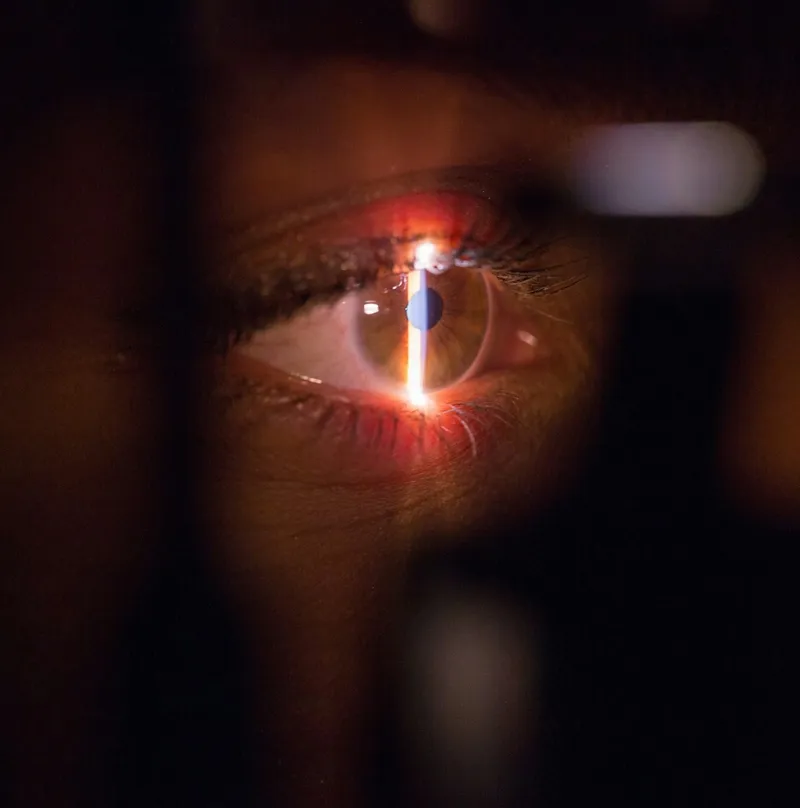
Retinal Pathology Treatment
Laser methods allow effective retinal reinforcement, sealing of weak or dangerous areas, stopping hemorrhages, and preventing severe complications such as retinal detachment. It is a highly precise, safe, and outpatient method for treating a wide range of retinal diseases.
Indications
- Retinal tears and pre-tear conditions;
- Peripheral retinal dystrophies and thinning;
- Localized or recurrent hemorrhages;
- Diabetic retinopathy and microaneurysms;
- Macular edema or risk of its development.
Procedure Overview
- Targeted laser application to affected retinal areas;
- Formation of strong laser coagulates to reinforce peripheral zones;
- Sealing of regions at risk of detachment;
- Stopping abnormal vessel growth and reducing bleeding;
- Improving tissue nutrition and stabilizing the macular area.
Advantages
- High precision and predictable results;
- Minimally invasive with no incisions;
- Outpatient procedure under local anesthesia;
- Short recovery period and low complication risk;
- Long-term retinal stabilization and reduced recurrence risk.
Laser treatment of retinal pathologies is one of the most effective methods for preventing detachment and preserving high-quality central and peripheral vision.
IPL Therapy
IPL (Intense Pulsed Light) therapy is a modern, scientifically proven method for treating meibomian gland dysfunction, chronic blepharitis, and dry eye syndrome. The procedure improves tear film stability, restores the lipid layer, and reduces eyelid margin inflammation.
Who It Is Suitable For
- Patients with dry eye syndrome caused by lipid layer deficiency;
- Meibomian gland dysfunction (Meibomitis);
- Chronic blepharitis and inflammatory eyelid changes;
- Frequent recurrences of irritation, burning, or gritty sensation in the eyes;
- When standard lubricating drops provide only short-term relief.
How the Method Works
- Short light pulses act on areas near the eyelids, stimulating meibomian glands;
- The thermal effect softens and restores the lipid secretion;
- Reduces eyelid swelling and inflammation;
- Improves tear film quality and reduces tear evaporation;
- Enhances long-term function of the meibomian glands.
Benefits of IPL
- Non-invasive, comfortable, and safe method;
- Procedure takes 10–15 minutes and requires no recovery time;
- Noticeable effect after a course of 3–4 sessions;
- Can be combined with other therapies—thermal massage, eyelid hygiene, medication;
- Long-term relief from dryness, burning, and eye fatigue.
IPL therapy is one of the most effective modern methods for treating meibomian gland dysfunction and dry eye syndrome, providing lasting symptom relief and improving patients’ quality of life.
Need an ophthalmologist’s help?
Clear answers. Trusted support. Entrust your vision to experts.